Magnesium Glycinate vs Citrate & Which Is Best for You
Magnesium is an important mineral involved in over 300 biochemical reactions in the body. It plays a role in muscle function*, nerve signaling*, heart health*, energy production*, and bone support*. However, many people may not get enough magnesium from diet alone.
If you’ve been researching supplements, you’ve likely come across two popular forms: magnesium glycinate and magnesium citrate. But what’s the difference between magnesium glycinate vs citrate — and which one is right for your needs?
What Is Magnesium Glycinate?
Magnesium glycinate (also called magnesium bisglycinate) is magnesium bound to the amino acid glycine. This form is known for:
- High absorption and bioavailability
- Gentle impact on digestion
- Calming properties*
- Support for relaxation and sleep quality*
Because glycine supports calming pathways in the body*, magnesium glycinate is often chosen for:
- Relaxation support*
- Occasional stress support*
- Sleep support*
- Muscle recovery*
- Daily magnesium replenishment*
One of the biggest advantages of magnesium glycinate is that it is typically less likely to cause digestive discomfort compared to some other forms.
What Is Magnesium Citrate?
Magnesium citrate is magnesium combined with citric acid. It is also well-absorbed, but it has a stronger effect on digestion.
Magnesium citrate is commonly used for:
- Occasional constipation support*
- Digestive regularity*
- General magnesium supplementation*
Because it draws water into the intestines, magnesium citrate may have a mild laxative effect. For some people, that’s beneficial. For others, it may lead to loose stools or stomach sensitivity.
Magnesium Glycinate vs Citrate: Key Differences
Here’s a comparison to help clarify the differences:
Absorption
Both magnesium glycinate and magnesium citrate are considered more bioavailable than magnesium oxide. Magnesium glycinate is often preferred for long-term supplementation due to its stability and gentle digestion.
Digestive Effects
- Magnesium glycinate: Typically gentle, minimal laxative effect
- Magnesium citrate: More likely to promote bowel movements
If your goal is relaxation and daily magnesium support*, glycinate may be the better option. If you’re looking for occasional digestive support*, citrate may be more appropriate.
Sleep and Relaxation Support
Magnesium glycinate is commonly chosen for sleep support* because glycine helps promote calming effects in the body*. Many people take it in the evening to support relaxation*.
Magnesium citrate does not provide the added glycine component.
Long-Term Use
For consistent daily use without digestive discomfort, magnesium glycinate is often preferred.
Benefits of Magnesium Supplementation
Magnesium helps support:
- Muscle function*
- Nerve function*
- Bone health*
- Cardiovascular health*
- Energy metabolism*
- Normal muscle relaxation*
Low magnesium intake may contribute to symptoms such as muscle tension, fatigue, irritability, or difficulty sleeping.
Which Is Better: Magnesium Glycinate or Citrate?
The answer depends on your wellness goals.
Choose magnesium glycinate if you want:
- Relaxation support*
- Sleep support*
- Muscle recovery support*
- Gentle digestion
- Daily, long-term magnesium support*
Choose magnesium citrate if you want:
- Occasional digestive support*
- Help supporting bowel regularity*
- A cost-conscious option
For many individuals focused on relaxation and overall wellness support*, magnesium glycinate is often a preferred choice.
Choosing a High-Quality Magnesium Supplement
When selecting a magnesium supplement, look for:
- Bioavailable forms (like glycinate)
- Transparent labeling
- Third-party testing
- No unnecessary fillers
At NatureWise, we focus on clean, thoughtfully formulated products designed to support your wellness routine.
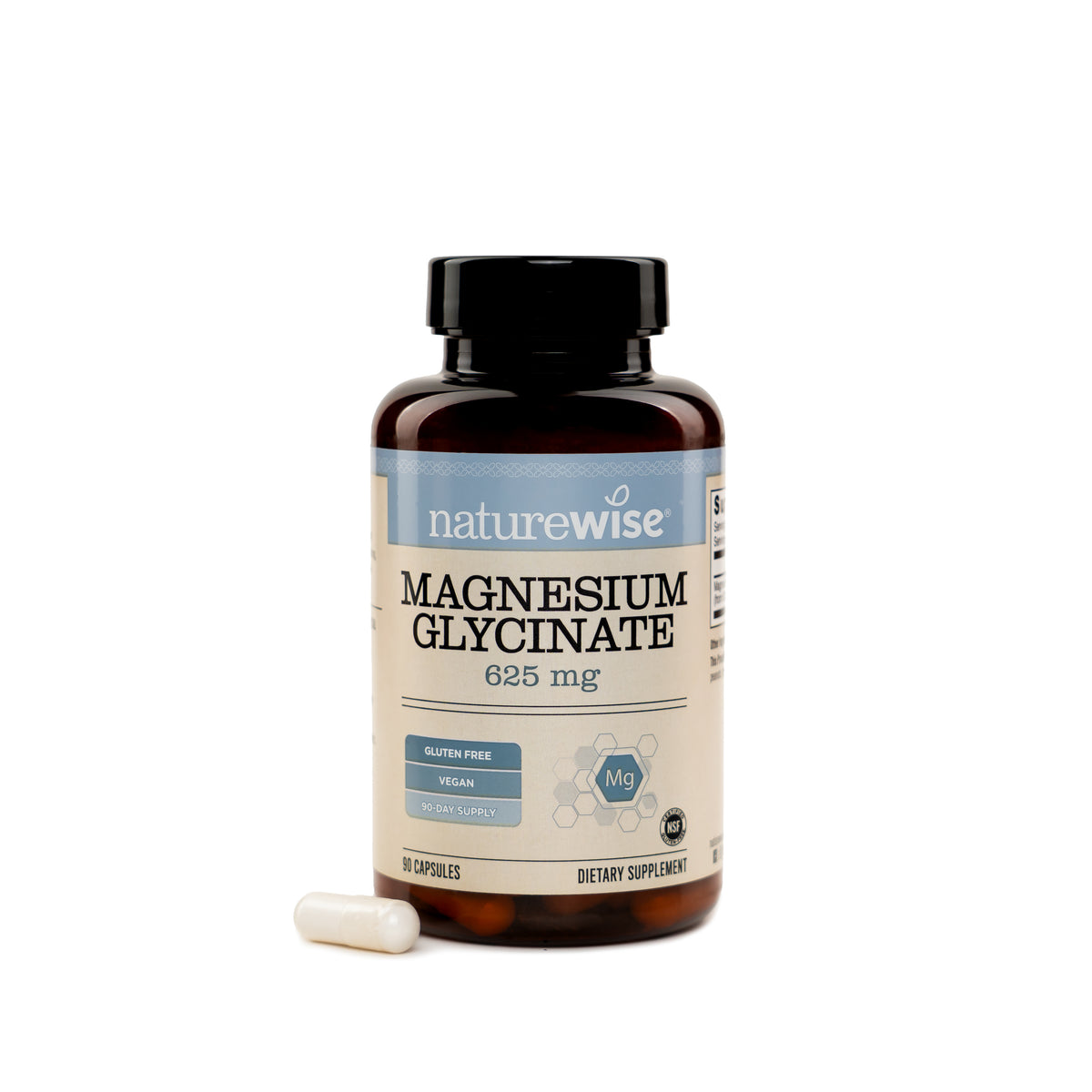
Our magnesium glycinate supplements are formulated for optimal absorption and gentle digestion, making them ideal for daily use to support relaxation, muscle function, and overall wellness*.
If you prefer convenient dosing, our magnesium glycinate capsules provide highly bioavailable magnesium in an easy-to-take format designed to support calmness and muscle relaxation*.
For those looking to support both magnesium levels and bone health*, our magnesium glycinate D3 + K2 softgels combine magnesium with vitamin D3 and vitamin K2 — nutrients that work together to support proper calcium utilization and bone strength*.
What Matters: Magnesium Glycinate vs Citrate
When comparing magnesium glycinate vs citrate, both forms offer benefits — but they serve different purposes. Magnesium glycinate is often chosen for its calming properties* and gentle digestive profile, making it well-suited for daily supplementation. Magnesium citrate may be helpful for occasional digestive support*. Choosing which to take as a supplement is up to the needs of each individual.
Understanding your wellness priorities can help you choose the right form — and selecting a high-quality supplement ensures you get the most from your magnesium routine.